

Opportunity Gaps Start Early. So Should Our Solutions


School is almost back in session, and preschool enrollment is already moving. Across the country, early childhood centers are preparing classrooms, updating rosters, hiring staff, planning lessons, and welcoming new families.
But as we prepare for a new school year, we need to ask a deeper question:
Are we simply opening our doors again, or are we being intentional about closing opportunity gaps before they become achievement gaps?
Because here is the truth: children are not the problem. Opportunity gaps are.
Opportunity gaps show up when children do not have the same access to language-rich experiences, quality preschool, books, routines, social-emotional support, strong classroom systems, and intentional instruction. Some children arrive at preschool already having had years of conversations, stories, educational play, and structured experiences. Other children arrive just as bright and capable, but with fewer early learning opportunities.
That is not a child problem. That is a systems problem.
And early childhood educators are in one of the most powerful positions to help turn that ship around.
Why Early Childhood Matters So Much
The early years, especially ages three to five, are not “just daycare.” This is the foundation stage. Children are developing language, confidence, independence, early literacy, early math, problem-solving, self-regulation, curiosity, and social skills.
National data keeps reminding us that we cannot wait until third or fourth grade to talk about reading, math, and readiness. By the time children reach fourth grade, the gaps are already visible. In 2024, only 30% of fourth-grade public school students nationally performed at or above NAEP Proficient in reading, down from 2022. (Nation's Report Card)

That means the literacy conversation cannot begin in upper elementary. It has to begin in early childhood—with stories, vocabulary, print awareness, oral language, rhyming, sounds, conversation, and intentional daily routines.
Preschool access is improving, but progress is not equal everywhere. NIEER’s 2024 State of Preschool report found that early childhood education reached historic highs nationally, yet progress remained uneven from state to state, with some states expanding quality preschool while others still lagged in access or quality. (NIEER)
That unevenness matters. Because where a child lives should not determine how strong their start is.
Opportunity Gaps Are Not Just Academic
When we talk about equity gaps in early childhood education, we cannot only talk about letters and numbers. Yes, literacy and math matter. Absolutely. But school readiness is bigger than flashcards and worksheets.
Opportunity gaps also show up in:
Language and vocabulary:
Some children have had thousands of rich conversations before preschool. Others need more intentional exposure to words, questions, books, songs, and storytelling.
Social-emotional learning:
Some children need more support with self-regulation, peer relationships, confidence, sharing, waiting, problem-solving, and managing big feelings.
Instructional consistency:
Teachers may want to provide rich learning experiences but lack curriculum structure, planning time, coaching, or classroom systems.
Teacher stress and turnover:
When educators are underpaid, unsupported, and overwhelmed, children lose consistency. Teacher turnover is not just a staffing issue—it becomes a child outcome issue.
Readiness data:
Many centers are doing meaningful work, but they do not always have simple ways to document child growth, classroom needs, family engagement, or program impact.
A 2026 report on kindergarten readiness found that, nationally, nearly two-thirds of children were reported as on track for kindergarten, but there was still about a 20 percentage-point readiness gap between children from the lowest-income families and wealthiest families. (The Associated Press)
That is exactly why preschool matters. We cannot keep waiting until children are older and then act shocked when the gaps widen. We knew the ship was drifting. Now it is time to grab the rudder.
Early Childhood Educators Can Help Turn the Ship
Preschool owners, directors, and teachers are not just preparing children for kindergarten. They are helping shape how children see learning, relationships, confidence, problem-solving, and themselves.
That is sacred work. And yes, it is also strategic work.
When early childhood educators are equipped with the right tools, training, and intentional systems, more children have the opportunity to succeed.
That means we need to focus on:
Intentional teaching:
Every part of the day can support learning: arrival, circle time, centers, transitions, meals, outdoor play, read-alouds, music, and closing routines.
Teacher support:
Educators need more than expectations. They need practical curriculum tools, coaching, professional development, planning support, and leadership systems that help them succeed.
Early literacy and math foundations:
Children need daily exposure to language, books, sounds, counting, sorting, patterns, problem-solving, and hands-on exploration.
Social-emotional development:
Children cannot fully engage academically if they are struggling with regulation, confidence, relationships, or communication.
Data and documentation:
Centers need simple ways to track readiness, growth, attendance, family engagement, staff support, and classroom needs. That data can strengthen instruction and help tell the center’s story for grants, partnerships, and funding conversations.
At Wize Explorers™, our mission is to reduce equity gaps in early childhood education by supporting the educators and programs doing the work every day.
That is why we are offering a free professional development webinar:

Closing Opportunity Gaps in Early Childhood Education
How intentional systems help children, teachers, and centers thrive
This webinar is designed for preschool owners, directors, lead teachers, and early childhood teams who want to better understand how opportunity gaps show up in preschool classrooms—and what we can do about them.
Participants will learn:
What opportunity gaps are and why they matter in early childhood
How early gaps connect to school readiness, literacy, math, and social-emotional development
Why teacher support and classroom systems matter
How centers can begin using data to strengthen programs and tell their story
Practical ways to support children, teachers, families, and long-term program growth
Registered attendees will also receive a free Opportunity Gap Snapshot Tool to help identify areas of need and next steps for their center.
Let’s Start Before the Gap Gets Wider
The new school year is more than a fresh calendar. It is a fresh opportunity.
A chance to be more intentional.A chance to strengthen teachers.A chance to support families.A chance to help children enter kindergarten more confident, prepared, and ready to learn.
We do not have to wait for the gap to widen before we respond.
We can start now.
Reserve your free ticket today. RSVP is required.
Visit: https://www.wizeexplorers.com/event-details/closing-opportunity-gaps-in-early-childhood-education
Website: www.wizeexplorers.com
Email: explore@wizeexplorers.com
Wize Explorers helps early childhood programs strengthen school readiness, support educators, and reduce opportunity gaps through intentional curriculum, STEAM learning, professional development, and practical classroom systems.
Visit: www.wizeexplorers.com
Email: explore@wizeexplorers.com
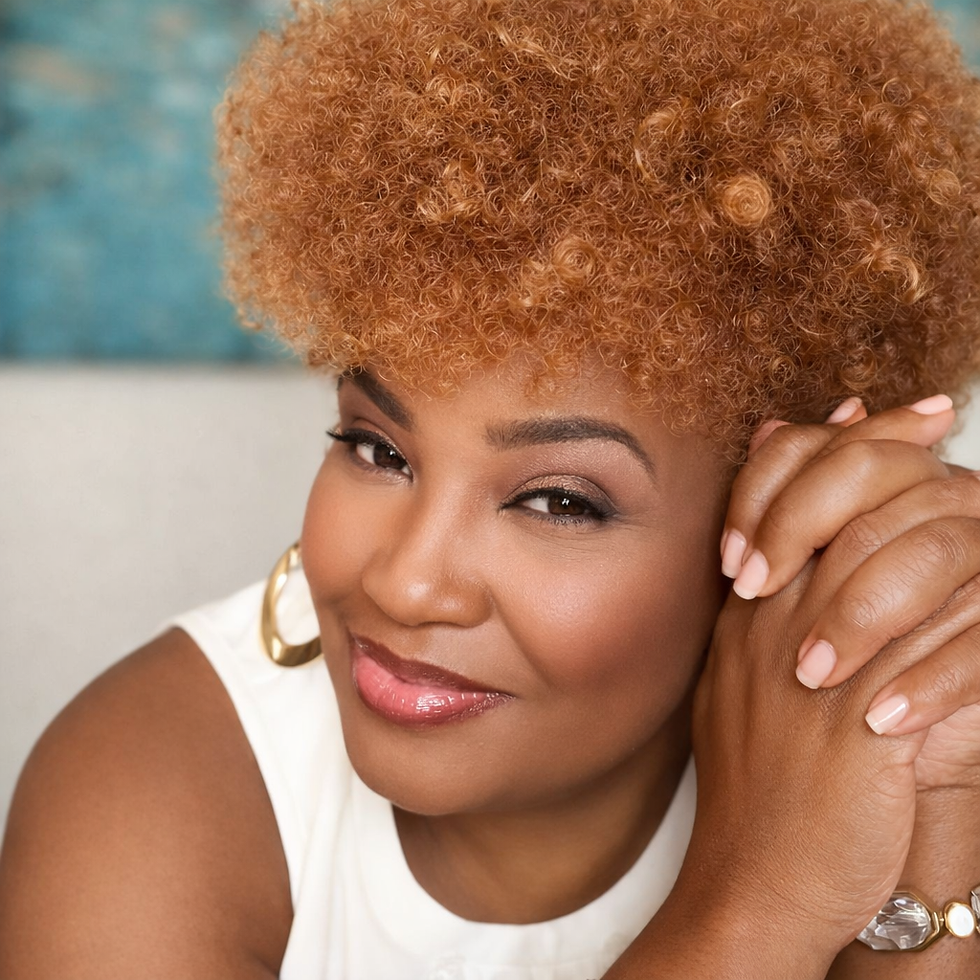
About Zira T. Washington: Zira T. Washington is the Founder and Chief Learning Strategist of Wize Explorer, an educator, brand strategist, and early learning advocate helping preschool programs build stronger foundations for young learners.

Comments